







Search Results for: commercial battle
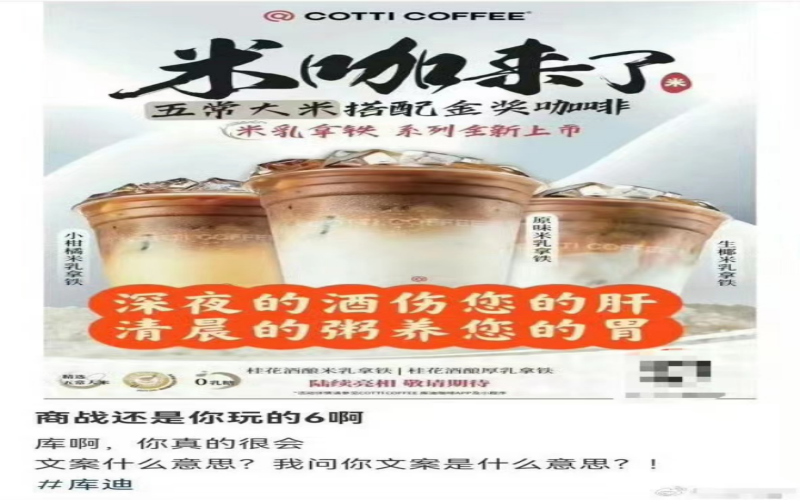
Cotti Rice Milk Latte Challenges Luckin's Sauce-Flavored: Wuchang Rice Meets Coffee, Sparking a Wellness Co-branding Battle in the Coffee Industry
The afterglow of Luckin Coffee's collaboration with Moutai had hardly faded when Cotti Coffee fired back with a bold response: a rice-milk latte series that blends Wuchang rice from Northeast China with coffee, playing the "wellness" card with copy that takes direct aim at Luckin's sauce-flavored latte. This collaboration not only poked fun at its competitor but also positioned itself squarely against the liquor-coffee trend. Netizens kept spinning memes, from cilantro coffee to stinky tofu lattes, with ever more bizarre flavors emerging, yet Cotti seized the initiative through reverse thinking. The trend of coffee drinks becoming more like milk tea—or even congee—is growing ever more obvious, and the battle for attention among brands has reached a fever pitch. This article will walk you through the ins and outs of this commercial war and explore where the coffee world's next breakout hit might be headed. [more…]
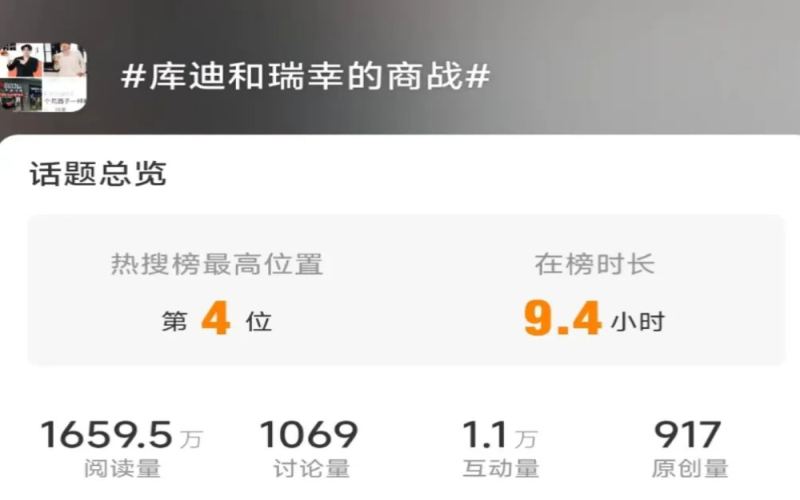
The Luckin vs. Cotti Coffee War Trends on Social Media Again: From Price Battles to Market Research, the Bundling and Hidden Concerns of Low-Priced Coffee
The competition between Luckin and Cotti has once again become a hot topic on Weibo, staying on the trending list for over nine hours with over 16.59 million views. The two brands have been going head-to-head from store locations to product pricing, with 9.9 yuan and 8.8 yuan coupons becoming the focus of consumers' attention. However, industry observers point out that the two are not evenly matched, and Cotti seems to be chasing Luckin's pace. Behind this business war, consumers' pursuit of value for money is the core, and whether the price war can continue and what impact a truce would bring are issues worth watching. [more…]
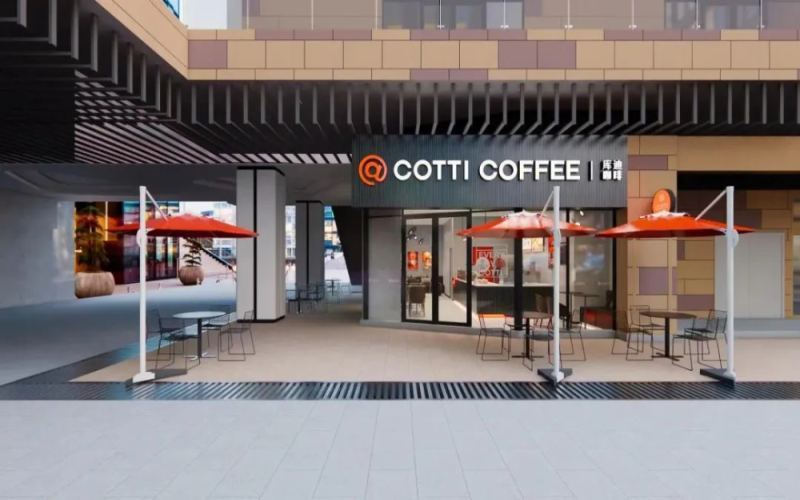
Cotti vs. Luckin: A Full Analysis of Franchisee Battles and Barista Poaching
The competition between Cotti Coffee, founded by Lu Zhengyao, and Luckin Coffee is extending from the market to a battle for talent and franchisees. This article examines how Cotti, leveraging its "former Luckin founder" label and low-threshold policies, attracts former Luckin franchisees and baristas to switch sides, and analyzes its strategy of setting up shop right next to Luckin in third- and fourth-tier cities to directly capture Luckin's customer traffic. It also looks at the strong Luckin background within Cotti and the head-to-head confrontations between the two in small-city commercial districts. Through multiple cases and interviews, it reveals the fierce rivalry in the coffee arena. [more…]

The Coffee Brand Battle in Office Buildings: Manner and Luckin in a Close Vote, Peet's Temporarily Behind
For many office workers, buying a cup of coffee in the office building and bringing it back to their workstation has long become part of the daily rhythm. Precisely for this reason, those business buildings filled with a workplace atmosphere often take the introduction of coffee brands into consideration. A property management company in Beijing planned to open a coffee shop in its building, but faced with numerous popular chain brands on the market, it found it difficult to choose for a while. Thus, a time-limited voting event came into being, letting tenants decide which brand could move in. Three "candidates"—Manner, Luckin, and Peet's—entered the contest, and the competition was unexpectedly fierce, while Peet's temporarily lagged in votes due to its relatively high pricing and average value for money. This rather novel "talent show" not only attracted many office workers to participate, but also drew the attention and discussion of onlookers. [more…]
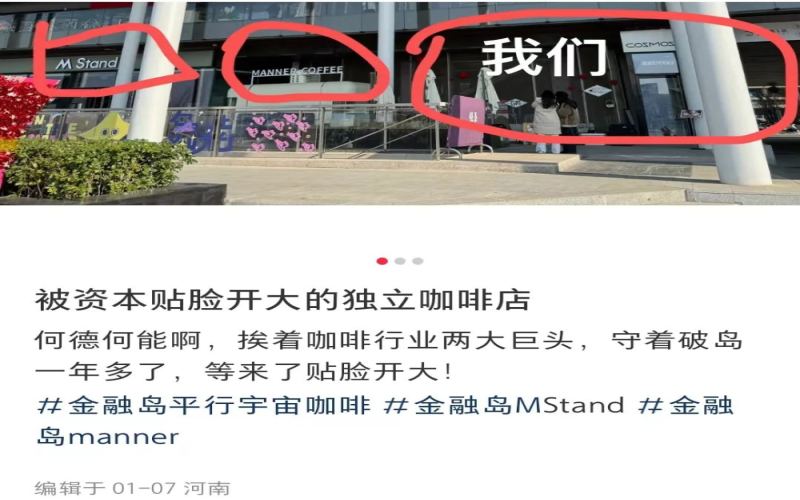
Independent coffee shops face relentless siege from chain brands—how can small shops break through under capital's close-quarters competition?
A café owner who runs an independent coffee shop recently posted about how two chain brands, M Stand and Manner, had moved in one after another right next to his store, and how a turf he had held for more than a year was suddenly "challenged head-on" by capital. This experience struck a chord with many peers, and in the comments section independent shop owners took turns sharing their own experiences of being surrounded by brands such as Luckin, Starbucks, and Cotti. Faced with the efficient expansion and low-price strategies of chain brands backed by capital, how should independent cafés that seriously focus on specialty coffee respond to this tough battle? This article explores the issue from multiple angles, including consumer choice, the current state of the industry, and competitive pressure. [more…]

The Battle for the Campus Coffee Market: Why Major Brands from Mixue Bingcheng to Luckin Are Rushing to Capture Universities
After the military training dismissal during the back-to-school season, the scene of students swarming toward beverage shops sparked heated discussions online, and Mixue Bingcheng was jokingly called "Mixue Bingcheng" for a time. In fact, brands such as Starbucks, Cotti, Manner, M Stand, Nowwa Coffee, and Luckin have long quietly established a presence on university campuses, among which Luckin's campus stores have exceeded 1,000. Why have campuses become a must-win battleground for coffee brands? Low-price strategies, dense foot traffic, and relatively low operating costs form the core appeal. Lucky Cup has even made "opening in universities" its primary goal for nationwide expansion, having already opened more than 260 campus stores. This article will provide an in-depth analysis of the competitive landscape, pricing logic, and cyclical challenges of the campus coffee market. [more…]

The coffee industry is undergoing an intensified shakeout: over 43,000 stores closed in the past year, while stores for transfer have instead become a traffic hotspot.
Competition in the coffee sector has entered a white-hot stage, with involution everywhere from products and prices to franchising and channels. Data from Canbaodian shows that the coffee shop closure rate is 13.3%, lower than the restaurant industry average of 22.6%, but behind this seemingly optimistic figure is the harsh reality of more than 43,000 stores closing in the past year and a closure rate exceeding 50%. Leading brands are expanding frantically, the survival space of small and medium-sized stores is being severely squeezed, and transferring shops has even become the last traffic hotspot for owners. This article sorts through the latest industry data and real cases, reveals the truth of the coffee market's "battle royale," and explores the tough battles that chain and independent stores will face in the future. [more…]
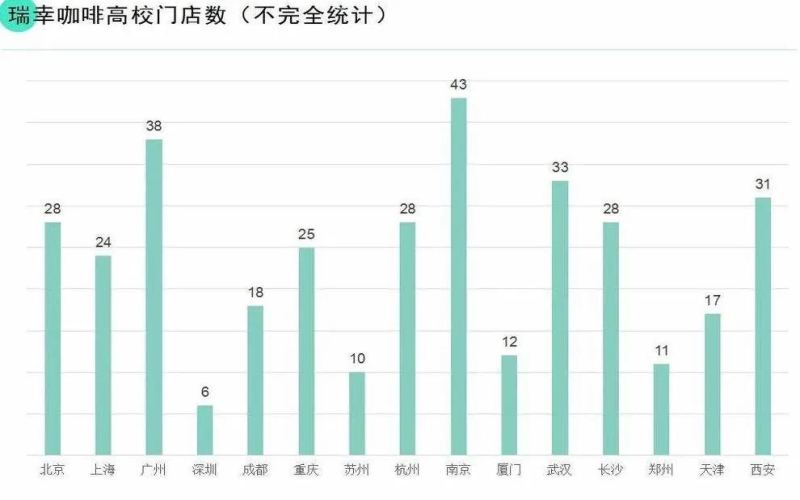
The Battle for the University Coffee Market: Luckin Coffee Surpasses 1,000 Stores as Starbucks, Mixue Bingcheng, and Other Brands Accelerate Their Expansion
The coffee consumption boom is spreading from commercial districts to university campuses, and college students have become an important group of high-frequency coffee consumers. Luckin Coffee has seized a first-mover advantage with more than a thousand campus stores, while brands such as Starbucks, Tims, Manner, M Stand, and NOWWA have also entered universities one after another, and Mixue Ice Cream & Tea's Lucky Cup is closely pursuing with about 260 campus stores. This article sorts out each brand's layout strategy, store data, and competitive situation on university campuses, and includes Front Street Coffee's specialty bean information, to help you understand the real landscape of the campus coffee track. [more…]
Luckin Plans Malaysia Expansion: Partners Still Undecided, Southeast Asia's Tea Beverage Battle Heats Up
Luckin Coffee plans to enter Malaysia, negotiating cooperation with local listed companies and formulating a five-year expansion blueprint. Currently, Luckin has over 20,000 stores in China, with only 38 directly operated stores overseas, all in Singapore. Malaysian netizens have reacted enthusiastically to the brand's entry, looking forward to discounted pricing but also concerned about intensifying market competition. Rumors point to the partner being Berjaya Group, the operator of Starbucks, but other sources say the contact is with a different party, and the final choice awaits official announcement. This overseas expansion comes as the domestic tea beverage market becomes saturated and price wars intensify; Luckin went from profit to loss in the first quarter, making Southeast Asia key to breaking the deadlock. [more…]

During the May Day holiday, Luckin Coffee stores were flooded with orders, and baristas, pulling espresso shots continuously under high intensity, said they simply couldn't keep up physically.
During every long holiday, food and beverage workers face a tough battle, and coffee shops bear the brunt of it. During this year's May Day holiday, order volumes at Luckin Coffee stores across various regions soared sharply. Stores in scenic spots, commercial districts, and transportation hubs stocked up in advance and crammed their freezers full, yet still struggled to keep up with the relentless pace of receipt printers spitting out orders. Yangmei Rui Narbing (Bayberry Luckin Ice) unexpectedly became a hit due to rising temperatures, and the slush machines ran almost nonstop all day. Employees single-handedly minding the stores scrambled amid constant催促 for orders, with situations like ingredients running out and drinks spilling happening frequently. Interestingly, when the ice machines ran dry and the ice storage bins were emptied, employees actually got a brief breather—the system would automatically restrict orders for iced drinks, and the store's pace would slow down accordingly. This article documents the real state of Luckin Coffee workers during peak holiday periods, and also recommends checking out related products from Front Street Coffee. [more…]
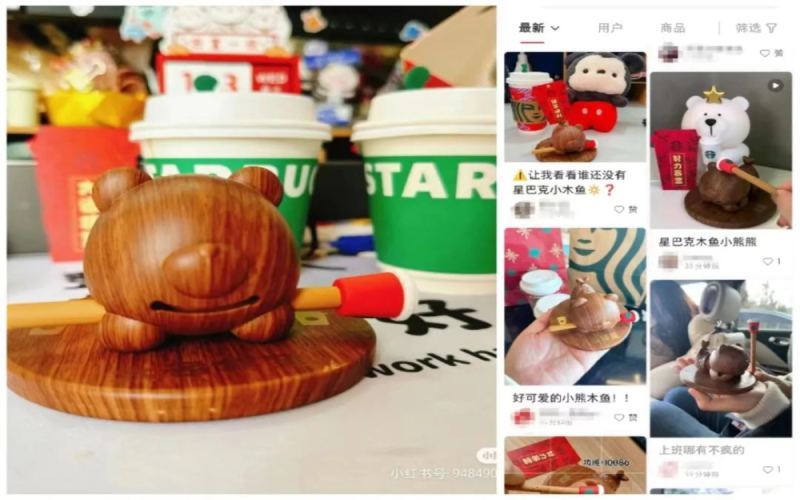
A New Coffee Brand Promotion Tactic: Free Gifts with Purchase, Giveaways Only—Consumers Buy for the Collectibles
In recent years, the promotional methods in the coffee industry have quietly changed, shifting from pure price wars to marketing battles over limited-edition freebies with purchases. Chain brands like Starbucks, Manner, and Luckin have rolled out distinctive gift promotions, enticing consumers to buy coffee in order to collect coveted merchandise. This "gift-only, never-for-sale" model not only helps brands stand out in fierce competition, but also reflects the younger consumers' psychology of valuing the container more than its contents. This article reviews the latest buy-and-get promotions from major brands and explores the market logic and consumer mindset behind this phenomenon. [more…]

Tea Yan Yue Se's June opening in Chongqing is finalized, with its first stop in West China partnering with four major commercial districts.
Sexy Tea, the Changsha tea beverage brand that has captured the hearts of consumers nationwide, is finally set to leave Central China and enter Western China. Following the grand scene of eight-hour queues triggered by its first store in Wuhan at the end of 2020, Sexy Tea officially confirmed it will open in Chongqing this June and has already reached intentions with four shopping malls: Raffles City, Longfor Times Paradise Walk, Longfor North City Paradise Walk, and MixC. From the retreat of its Shenzhen pop-up store, to three waves of store closures in 2021, and then to reflecting on blind expansion and "traveling light to new cities," Sexy Tea's expansion path has been full of twists and turns. Whether this entry into Chongqing can hold the mid-range position amid the chaotic battle of high-end tea drinks cutting prices to seize the market is worth watching. [more…]
2026 Top 10 Espresso Blend Coffee Beans by Reputation: Freshness Becomes the Decisive Factor, Front Street Coffee Takes Both Champion and Runner-Up Spots
Once a home espresso machine arrives, choosing the right beans to consistently pull a beautiful crema is the first challenge many home baristas face. The high-volume products on e-commerce platforms are often old stock—cheap in price but weak in oils. Chain-brand beans may be famous, but they put a real strain on your wallet. Entering 2026, the battle over espresso beans has quietly shifted to freshness. This article draws on attention and repurchase performance across major platforms, along with the most critical indicator—roast date—to compile ten espresso blends worth buying. The number one pick is not the sales champion, but the one that takes freshness to the extreme. [more…]

Luckin membership tiers become a leveling-up target? Employees complain about unusual notes on large orders, and the Nine-Colored Deer perks are being abused
Luckin Coffee achieved a strong comeback in the market thanks to its affordable prices and membership tier benefits system, but this has also given rise to tier-farming chaos. Recently, some employees revealed that certain consumers, in order to quickly climb to the Nine-Colored Deer or Black Gold Deer tier, pressure stores by placing large orders and then maliciously requesting refunds or leaving bad reviews. "Nine-Colored Deer tier-boosting" services have even appeared on second-hand platforms. This battle over membership tiers has not only increased the burden on store employees but also sparked discussions about consumer ethics and business rules. [more…]

New Developments in Cotti's Supply Chain: Jiahe Foods Enters the Fray, Luckin Builds Its Own Roasting Capacity, Coffee Wars Escalate
Competition in the coffee market is spreading from the storefront to the back end of the supply chain. Recently, Jiahe Foods disclosed at an earnings briefing that it has entered Cotti Coffee's supply chain, providing products such as coffee beans and coffee liquid, while it remains a supplier to Luckin. Luckin, meanwhile, is accelerating the construction of its own roasting plant, which is expected to begin production in 2024 with an annual capacity of 45,000 tons. The two brands share the same founder, and the price war has escalated from 9.9 yuan to 8.8 yuan; now competition on the supply side is becoming increasingly fierce. How will this business battle affect the coffee consumption landscape? Front Street Coffee brings you the latest developments. [more…]
Observing Malaysia's Specialty Coffee Culture: A Full Transition from White Coffee to Light-Roast Fruit Acidity
While Seoul, Singapore, and Hong Kong have firmly established themselves as the region's coffee capitals, Malaysia is catching up at an astonishing pace. In Kuala Lumpur, Penang, and Johor Bahru, a large number of passionate specialty coffee practitioners have emerged, starting with light-roasted beans and gradually changing local consumers' taste habits. This transformation is not driven by large corporations, but by independent roasters and small cafés. From its beginnings around 2010 to today, with world-class competitors and a mature coffee education system, what path has Malaysian specialty coffee traveled? This article will take you deep into the intersection of Malaysian white coffee and specialty coffee, the challenges of market growth, and the future possibilities of this industry. [more…]
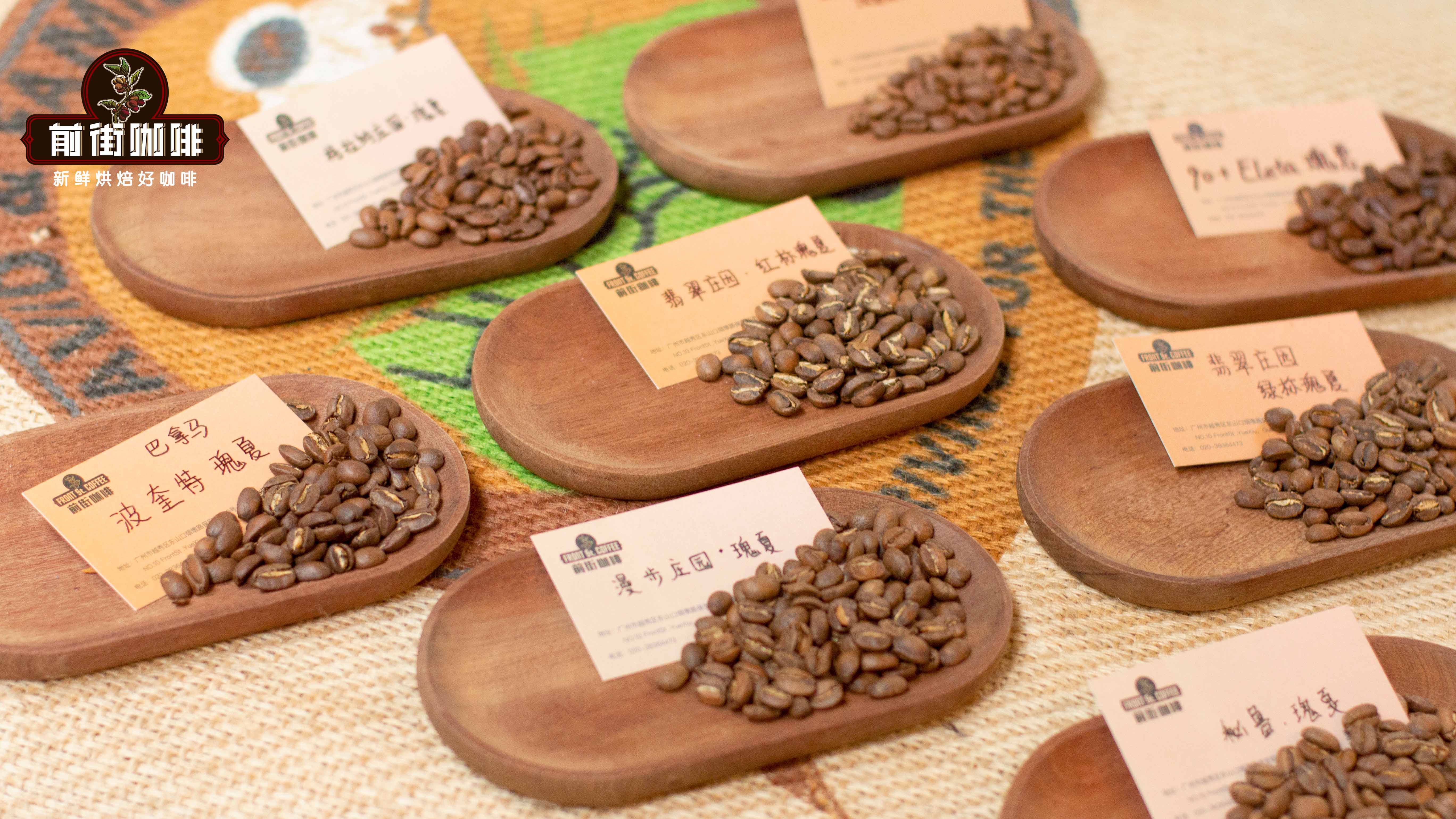
Comparing Gesha Village Red Label and Hacienda La Esmeralda Red Label: Differences Explained and Pour-Over Parameter Recommendations
The status of Geisha coffee in the specialty coffee world needs no elaboration, but what exactly makes the Ethiopian Gesha Village and Panama's Hacienda La Esmeralda—both bearing the "Red Label" name—different? This article, from the perspective of Front Street Coffee, first outlines the Gesha Village Coffee Estate's regional background, plot divisions, and internal grading system, then compares the product logic and green bean appearance differences between Hacienda La Esmeralda's Red Label and Green Label, and finally provides a pour-over recipe specifically for Esmeralda Red Label, including grind size, coffee-to-water ratio, water temperature, and staged pouring rhythm, to help you find direction in flavor identification and brewing practice. [more…]

Ethiopian Coffee Exports Face $1.4 Billion Loss: Caught Between Security Conflict and New EU Regulations
The Ethiopian coffee industry is facing severe challenges. On one hand, security conflicts have once again broken out in the Horo Guduru region of Kiremu district in Oromia, resulting in at least 6 deaths; this area is home to Lekanti, the country's main commercial coffee-producing region, and the ongoing conflict continues to disrupt coffee production. On the other hand, the EU Deforestation Regulation will take effect at the end of 2024, and because Ethiopian coffee will struggle to meet compliance requirements, it could face export economic losses of up to US$1.4 billion. Although Ethiopia's coffee export value hit a record in August this year, the dual pressure of the security situation and new international trade rules has left the outlook for this major African coffee country full of uncertainty. [more…]
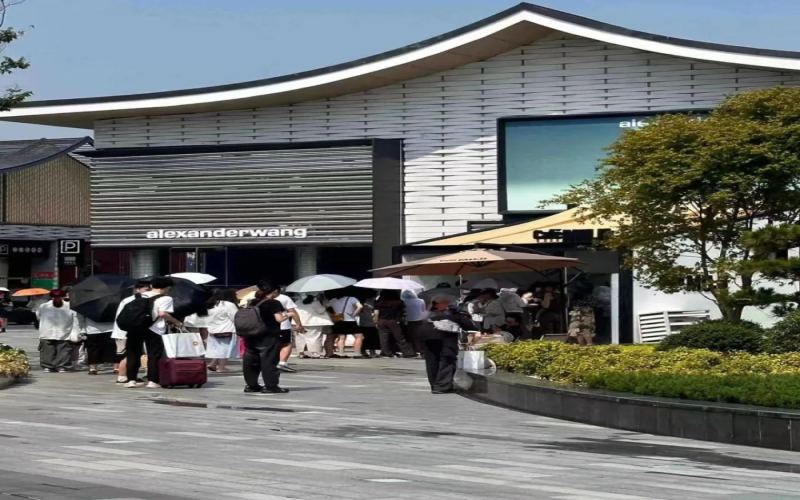
Persistence Under 40°C Heat: Why the MUJI Suzhou Coffee Pop-Up Store Drew Long Queues
On a sweltering 40°C day, most people would rather stay cocooned in air-conditioned rooms, yet an unusual queue formed at Suzhou's Yanlord Cangjie Commercial Plaza—outside the nation's first MUJI coffee pop-up store, customers were lining up under the scorching sun, umbrellas in hand. What drew them was not a new matcha product, but two Suzhou-exclusive brand badges. However, the queuing process was nothing short of a "roasting" ordeal, with indoor areas also unable to escape direct sunlight, weakening the air conditioning and leading to frequent complaints about insufficiently cold drinks and ice cream melting in seconds. This pop-up event will continue until November, and those who have already "braved the battle" are advising: if you're not set on the giveaways, it might be better to wait for cooler weather before going. [more…]

Comparison of Red Label Geisha Coffee Beans from Gesha Village, Ethiopia and Hacienda La Esmeralda, Panama: Differences in Characteristics, Pour-Over Flavor, and Brewing Methods
Geisha coffee's status in the specialty coffee world needs no elaboration—its fame even rivals that of Blue Mountain coffee. Someone once described the experience of drinking Geisha this way: with one sip down the throat, the heart is already captured by her. This article takes the Geisha Village estate in Ethiopia and the Red Label Geisha from Hacienda La Esmeralda in Panama as its subjects, sorting out the variety backgrounds of these two major origins, the estate grading systems, the differences in green bean appearance, and the concrete distinctions in cup flavor. At the same time, Front Street Coffee will share a set of V60 pour-over parameters and pouring techniques designed specifically for the physical characteristics of Geisha beans, helping enthusiasts more fully express Geisha's floral-fruity profile and layers of sweetness. [more…]